
Artificial Intelligence (AI) is reshaping how software systems behave and function — and testing these systems requires a whole new approach. This blog post provides a beginner-friendly roadmap to AI Testing, including what it is, why it matters, what opportunities it offers, and how to build a career in this exciting field.
1. What is AI Testing?
AI Testing refers to the process of validating and verifying AI-powered systems to ensure they behave accurately, securely, and ethically. Unlike traditional software testing — which checks fixed program logic — AI testing evaluates systems whose behavior adapts through machine learning (ML), deep learning, and natural language processing (NLP). It includes:
- Testing model accuracy and bias
- Validating predictive reliability
- Behavioral testing of AI outputs
- Performance testing on unseen data
AI testing ensures quality, robustness, fairness, and compliance in intelligent systems. This is critical as AI systems increasingly shape decisions in healthcare, finance, autonomous systems, and more.
Why Take AI Testing Training?
Investing in training for AI testing equips you to:
Master Core Concepts
- Machine learning basics (e.g., supervised vs. unsupervised models)
- Model evaluation metrics
- Test automation with AI tools
Learn Cutting-Edge Tools
AI testing environments increasingly integrate tools for test case generation, self-healing scripts, and predictive analytics to boost testing coverage and efficiency.
Increase Employability
AI testing skills are in demand across sectors (IT, FinTech, healthcare, autonomous systems) as companies hire professionals to ensure reliability and safety of AI systems.

Who Can Do AI Testing Training?
AI testing training is suitable for people from various backgrounds:
- Freshers in computer science or IT
- QA and software testers looking to upskill
- Developers moving toward QA automation
- Data analysts interested in quality assurance
- Tech enthusiasts wanting to enter AI roles
Training typically starts with basics and progresses to hands-on application.
Course Outcome
After completing an AI Testing course, learners should be able to:
✔ Understand AI & ML fundamentals
✔ Write AI test plans and strategies
✔ Use modern AI testing tools (e.g., self-healing frameworks)
✔ Validate models for accuracy, fairness, and reliability
✔ Automate testing in DevOps environments
✔ Build test reports and interpret metrics
These outcomes prepare learners to step into junior AI testing roles confidently.
Career Opportunities in AI Testing
AI testing opens doors in multiple job roles, such as:
| Job Role | Description |
|---|---|
| AI Test Engineer | Tests and validates AI systems, models, and outputs |
| AI QA Analyst | Ensures AI solutions meet functional & non-functional requirements |
| ML Test Specialist | Focuses on validating machine learning model performance |
| Test Automation Engineer | Automates test case generation and execution |
| Quality Engineer – AI | Integrates AI QA into DevOps and CI/CD pipelines |
Demand for these roles is growing, especially in tech hubs and companies building AI products.
Salary Package
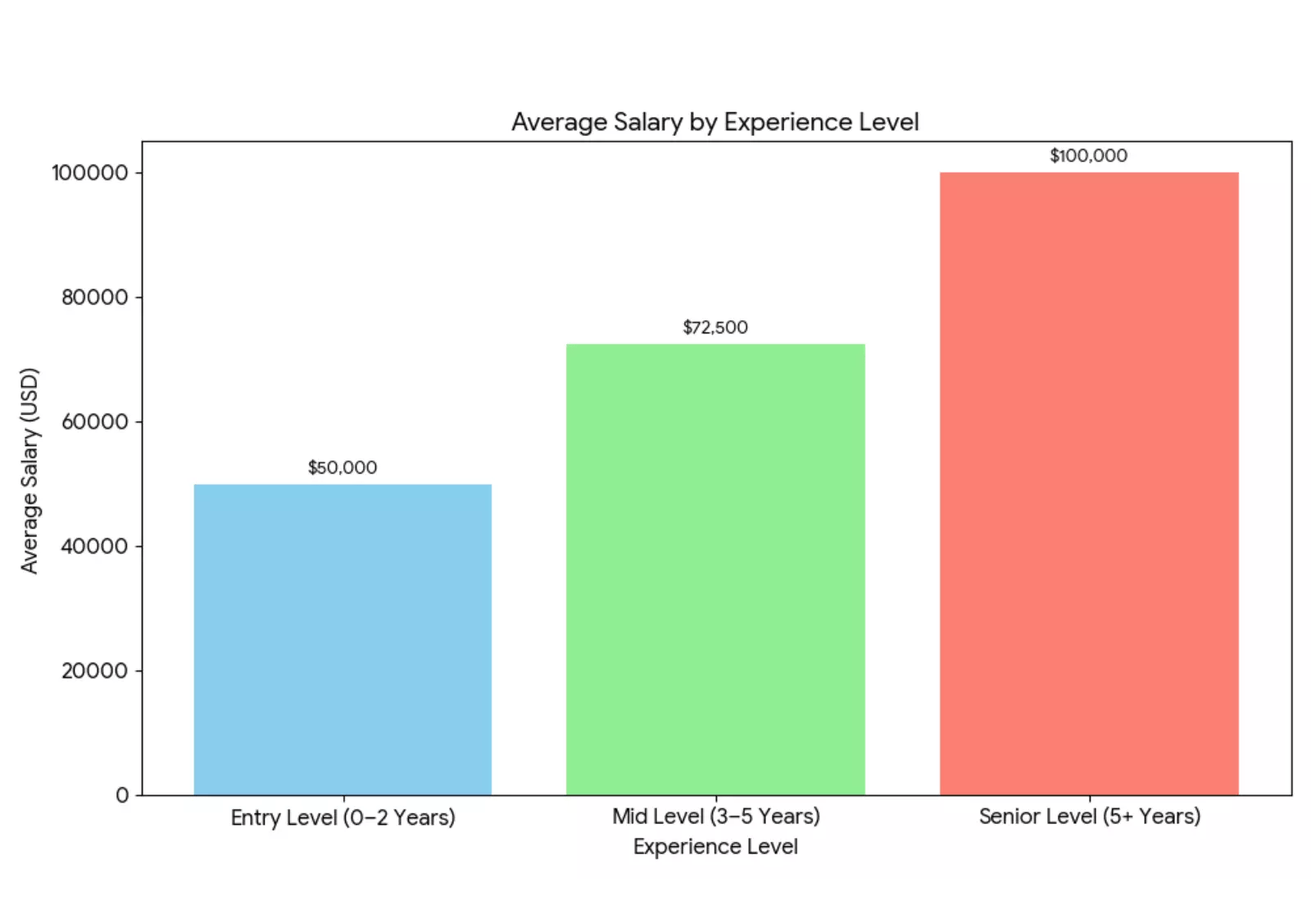
Note: Salaries vary by region, company, and experience.
Companies Hiring AI Testing Professionals
AI testing jobs are emerging globally in companies such as:
- Talent Worx — Hiring GenAI testers in Bengaluru.
- ALLPS — AI QA analysts with remote options.
- Mercor — AI QA engineer positions observed.
- Startups & Tech Firms — Offering roles on reddit job boards.
In addition, large tech firms and AI product teams are expanding their QA/testing teams as AI products become more prevalent.
Roles and Responsibilities
AI Test Engineer
- Design and execute test cases for AI behavior
- Validate model accuracy and output consistency
- Identify biases and reliability issues
- Collaborate with developers & data scientists
AI QA Analyst
- Ensure functional & non-functional requirements
- Report and track defects
- Monitor AI testing metrics
- Create comprehensive QA documentation
Test Automation Specialist
- Build automated test scripts
- Integrate tests into CI/CD pipelines
- Maintain self-healing test frameworks
These responsibilities vary by job level and company needs.
Steps to Prepare for AI Testing
To prepare for AI testing roles, follow these steps:
-
Learn the Basics
-
Python, statistics, ML concepts
-
-
Understand Testing Fundamentals
-
Manual testing, test cases, QA methodologies
-
-
Explore AI Testing Tools
-
Tools with AI capabilities (test case generation, predictive testing)
-
-
Hands-On Projects
-
Practice with real datasets and AI models
-
-
Build a Portfolio
-
Document your tests and findings
-
-
Prepare for Interviews
-
Review common AI testing case scenarios
-
Certification
Certifications boost credibility and signal expertise. Popular options include:
- Certified AI Tester (custom programs)
- ISTQB Test Analyst/Automation certificates
- AI & ML certificates from Coursera, Udacity, or edX
- Tool-specific certs (e.g., Selenium, AI test tools)
Certifications help you stand out in job applications and interviews.
Conclusion
AI testing is one of the most exciting avenues in tech today — blending quality assurance with intelligent systems. With a booming market, attractive salaries, and diverse job opportunities, this field offers a promising career path for beginners and experienced professionals alike. By following a structured roadmap — from learning fundamentals to getting certified — you can build a rewarding career in AI testing.

Beginner’s Roadmap to Playwright Automation Testing

What Is Java Selenium? Beginner’s Guide to Automation Testing

No Comments Yet
Let us know what you think